
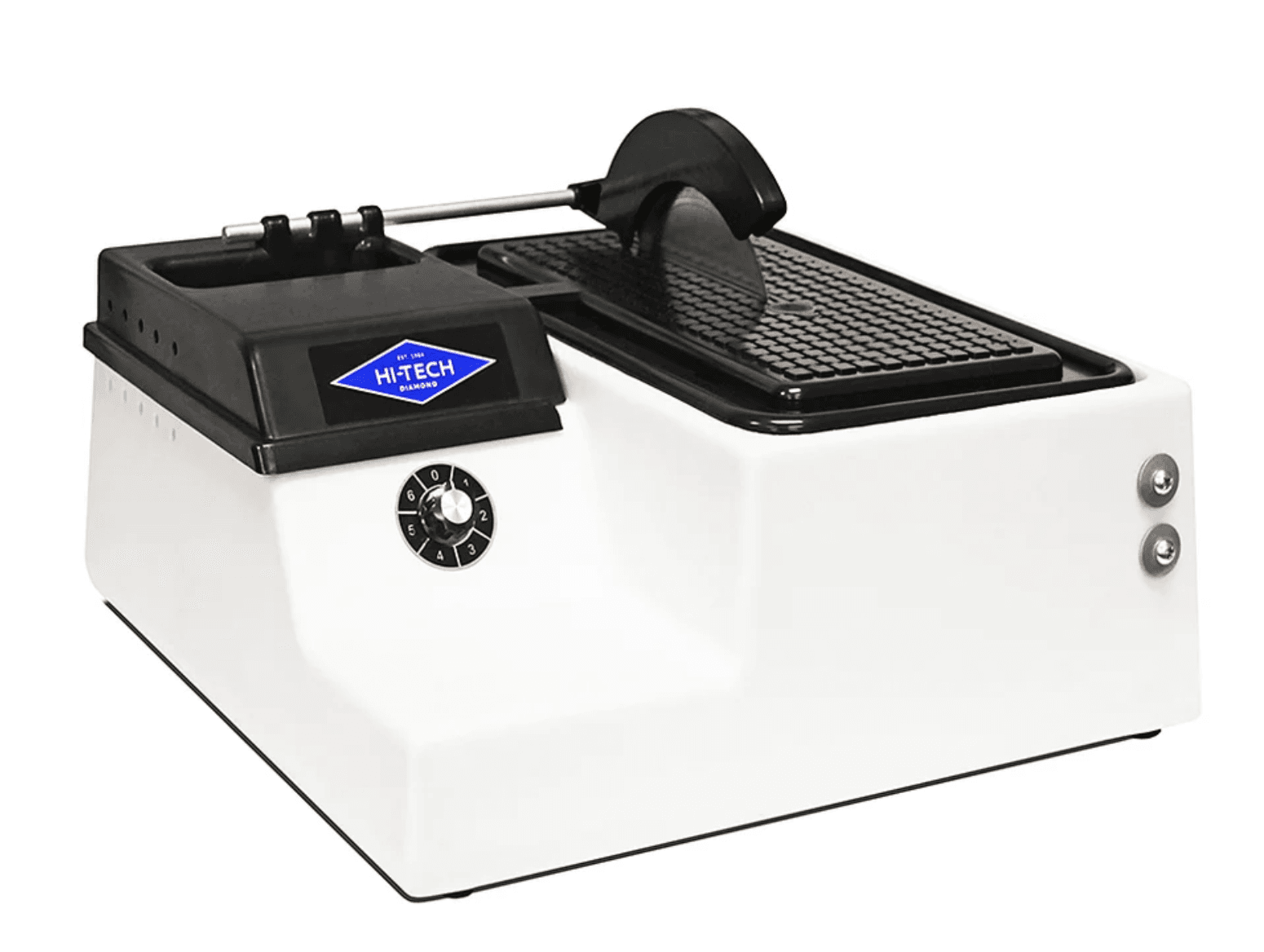
Lapidary—the art of cutting, shaping, and polishing stone—is a craft that blends patience, precision, and creativity. For beginners, success starts with two equally important foundations: learning from others and using the right tools.
One of the best first steps is joining a local rock, gem, or mineral club. These clubs provide hands-on learning, mentorship, field trips, and often access to shared lapidary equipment before you invest in your own. Learning directly from experienced rock enthusiasts shortens the learning curve, builds confidence, and helps you avoid common beginner mistakes.
At the same time, YouTube has become an incredible learning resource for lapidary beginners. Many skilled lapidary artists share tutorials on trimming, cabbing, blade maintenance, and stone selection. Watching techniques in action—especially before trying them yourself—can dramatically improve results and safety. Combined with club mentorship, online tutorials give beginners a well-rounded education that blends tradition with modern accessibility.
With community knowledge and visual learning in place, choosing the right personal equipment becomes much easier and more rewarding.
1. A 6″–10″ Trim Saw: The Foundation of Stone Cutting
A 6-inch to 10-inch lapidary trim saw is one of the most important tools a beginner can own. Trim saws are used to cut rough stone into workable pieces, trim slabs, and make precise, controlled cuts before shaping and polishing.
Why a 6″–10″ trim saw is ideal for beginners:
Choosing the right size:
Trusted beginner-friendly options include:
A quality trim saw allows beginners to cut intentionally while preserving valuable material.
2. Why Lapidary Saws Are Recommended Over Tile Saws
Although tile saws may look similar, lapidary saws are strongly recommended due to major differences in design, safety, and performance.
Designed for Natural Stone
Lapidary saws are engineered to handle irregular, dense, and brittle materials. Natural stone often contains fractures, curves, and varying hardness that tile saws are not designed to manage.
Proper Speed and Feed Control
Lapidary saws operate at slower, controlled speeds that:
Tile saws run faster and cut aggressively, increasing the risk of damaged stone and unsafe conditions.
Correct Blades and Material Preservation
Lapidary blades are thinner and designed to conserve material. Tile blades remove more stone and often cause chipping or internal damage.
Improved Safety
Lapidary saws support small, rounded stones using vises, clamps, and proper splash containment. Tile saws assume flat material and straight cuts, making them unsafe for lapidary use.
Using a lapidary saw protects both the artist and the stone.
3. Highland Park CB6 Cabbing Machine: Shaping and Polishing
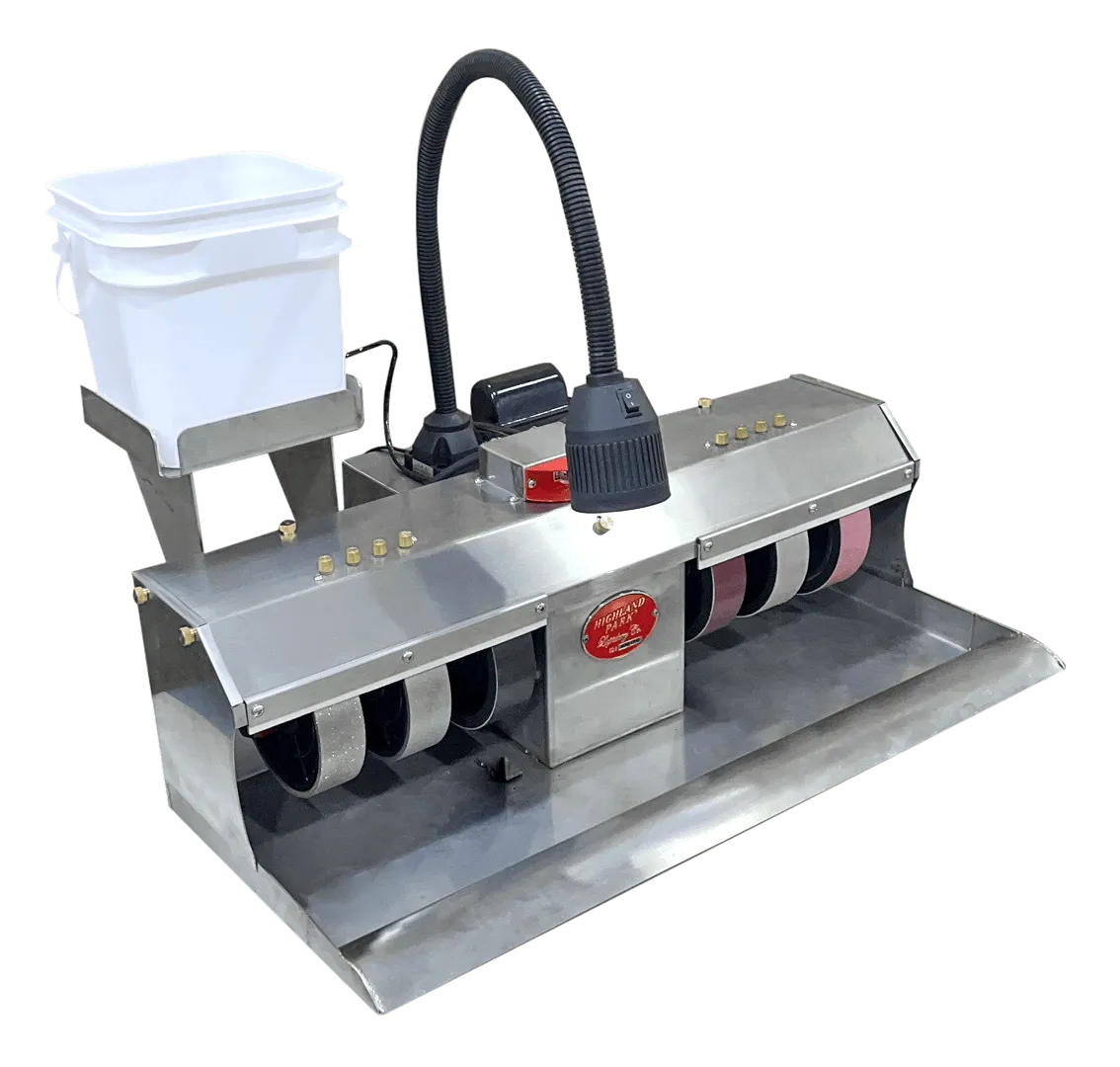
Once stones are cut, shaping and polishing bring out their true beauty. A reliable cabbing machine is the heart of a lapidary workspace, and the Highland Park CB6 is an excellent choice for beginners.
Why the Highland Park CB6 stands out:
With progressive wheels, beginners can shape cabochons and polish stones to a high gloss while developing consistent technique.
4. Safety Gear: A Non-Negotiable Essential
Lapidary work involves rotating equipment, water, and fine stone dust. Proper safety gear ensures comfort, focus, and longevity in the craft.
Essential safety items include:
A safe setup allows beginners to concentrate fully on learning and creating.
5. Water Management System
Water is critical for cooling blades and wheels and suppressing dust. Most lapidary machines depend on consistent water flow.
Beginner-friendly solutions include:
Good water management improves cut quality and extends equipment life.
6. Basic Hand Tools
While machines handle the primary cutting and shaping, hand tools play an essential supporting role in both creativity and equipment maintenance.
Essential basic hand tools include:
These tools help beginners care for their equipment properly while refining control and precision.
7. A Thoughtful Workspace
A dedicated workspace makes lapidary safer, cleaner, and more enjoyable.
An effective lapidary workspace includes:
A well-planned workspace supports steady learning and long-term growth.
Starting the Lapidary Journey the Right Way
Lapidary is a craft where patience is rewarded and skill builds over time. Combining hands-on learning from a local rock club, visual instruction from YouTube tutorials, and purpose-built tools—such as a 6″–10″ lapidary trim saw from Hi-Tech Diamond or Highland Park Lapidary and the Highland Park CB6 cabbing machine—creates a strong foundation for success.
Choosing proper lapidary equipment instead of shortcuts like tile saws protects your safety, preserves valuable material, and allows the natural beauty of stone to emerge. With the right guidance, community support, and tools in place, beginners can focus on learning the craft, refining technique, and enjoying the deeply satisfying process of turning raw stone into polished art.
Happy Cutting!